
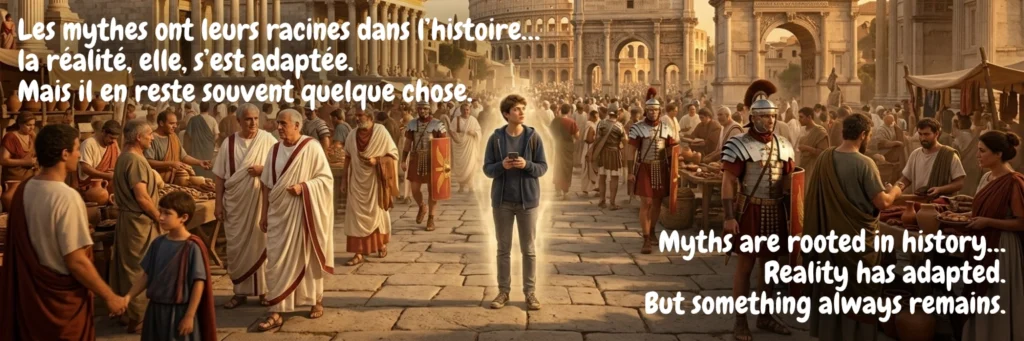
MYTHE #1 | MYTH # 1

La bureaucratie italienne, c’est le chaos | Italian bureaucracy is chaos
🇫🇷 La réalité : La bureaucratie italienne n’est pas du chaos — c’est un système millénaire. L’Empire romain a inventé le droit écrit, les registres, les tampons. L’Église catholique a perfectionné l’art de l’administration pendant deux millénaires. Le résultat ? Un pays où tout doit être écrit, certifié, apostillé, contresigné — et où chaque région, chaque commune, chaque bureau a ses propres règles. Ce n’est pas de l’incompétence. C’est de l’histoire accumulée. Ce que ça change pour vous : Armez-vous de patience et d’un bon avocat ou d’un Geometra. Ne comptez jamais sur un seul document — prévoyez-en trois. Et souriez : l’employé de mairie n’y est pour rien.
🇬🇧 The reality: Italian bureaucracy isn’t chaos — it’s a millennium-old system. The Roman Empire invented written law, registers and official stamps. The Catholic Church perfected the art of administration over two thousand years. The result? A country where everything must be written, certified, apostilled and countersigned — where every region, town and office has its own rules. This isn’t incompetence. It’s accumulated history. What this means for you: Arm yourself with patience and a good lawyer or Geometra. Never rely on a single document — bring three. And smile: the town hall clerk isn’t to blame.
MYTHE #2 | MYTH # 2
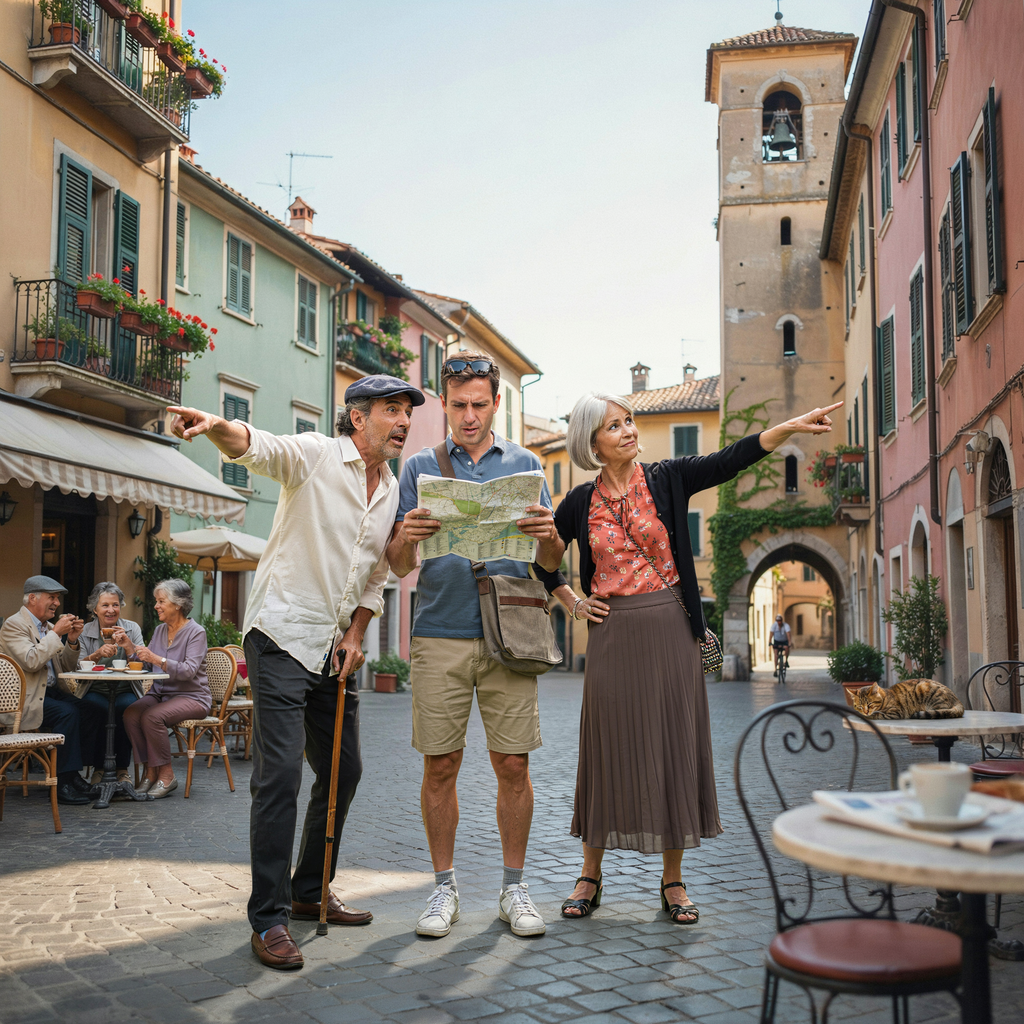
L’Italie est un pays uni | Italy is a unified country
🇫🇷 La réalité : L’Italie n’existe comme nation que depuis 1861 — hier, à l’échelle de l’histoire. Avant ça ? Des dizaines de royaumes, républiques, duchés et États pontificaux qui se battaient, commerçaient et se méprisaient allègrement. Cette fragmentation a laissé une empreinte profonde : le campanilismo — la fierté du clocher local. Un Napolitain n’est pas un Milanais. Un Sicilien n’est pas un Vénitien. La cuisine, le dialecte, les traditions, les lois non écrites — tout change d’une province à l’autre, parfois d’un village à l’autre. L’identité italienne existe, mais elle se construit sur des identités locales farouchement défendues. Ce que ça change pour vous : Ne généralisez jamais. Ce qui fonctionne à Florence ne fonctionne pas forcément à Palerme. Apprenez quelques mots du dialecte local — vous serez adopté instantanément. Et ne confondez jamais un Napolitain avec un Romain. Jamais.
🇬🇧 The reality: Italy has only existed as a nation since 1861 — yesterday, on the scale of history. Before that? Dozens of kingdoms, republics, duchies and papal states that fought, traded and looked down on each other with enthusiasm. This fragmentation left a deep mark: campanilismo — fierce pride in one’s local bell tower. A Neapolitan is not a Milanese. A Sicilian is not a Venetian. Food, dialect, traditions and unwritten rules change from one province to the next, sometimes from one village to another. Italian identity exists, but it is built on fiercely defended local identities. What this means for you: Never generalise. What works in Florence won’t necessarily work in Palermo. Learn a few words of the local dialect — you’ll be adopted instantly. And never mistake a Neapolitan for a Roman. Never.
MYTHE #3 | MYTH # 3

En Italie, l’apparence c’est superficiel | In Italy, appearance is superficial
🇫🇷 La réalité : La bella figura n’est pas de la vanité — c’est une philosophie sociale héritée de la Renaissance. Florence, Venise, Rome ont rivalisé pendant des siècles à coups de palais, de fresques et de tenues somptueuses. Paraître bien n’est pas mentir — c’est respecter les autres. Se présenter à une réunion en jean froissé, c’est dire à votre interlocuteur qu’il ne vaut pas la peine qu’on fasse un effort. La bella figura s’applique à tout : la tenue, la voiture, la façon de saluer, la qualité du café qu’on offre. C’est un code social aussi précis que le protocole diplomatique. Ce que ça change pour vous : Soignez votre apparence pour les rendez-vous professionnels. Apportez un beau cadeau quand vous êtes invité. Ne vous excusez pas d’être bien habillé. Et offrez toujours un bon café — jamais un café médiocre.
🇬🇧 The reality: Bella figura isn’t vanity — it’s a social philosophy inherited from the Renaissance. Florence, Venice and Rome competed for centuries through palaces, frescoes and sumptuous dress. Looking good isn’t deception — it’s respect for others. Showing up to a meeting in creased jeans tells your host they’re not worth the effort. Bella figura applies to everything: clothing, car, manner of greeting, the quality of the coffee you offer. It’s a social code as precise as diplomatic protocol. What this means for you: Dress well for professional appointments. Bring a beautiful gift when invited. Don’t apologise for being well dressed. And always offer good coffee — never mediocre coffee.
MYTHE #4 | MYTH # 4
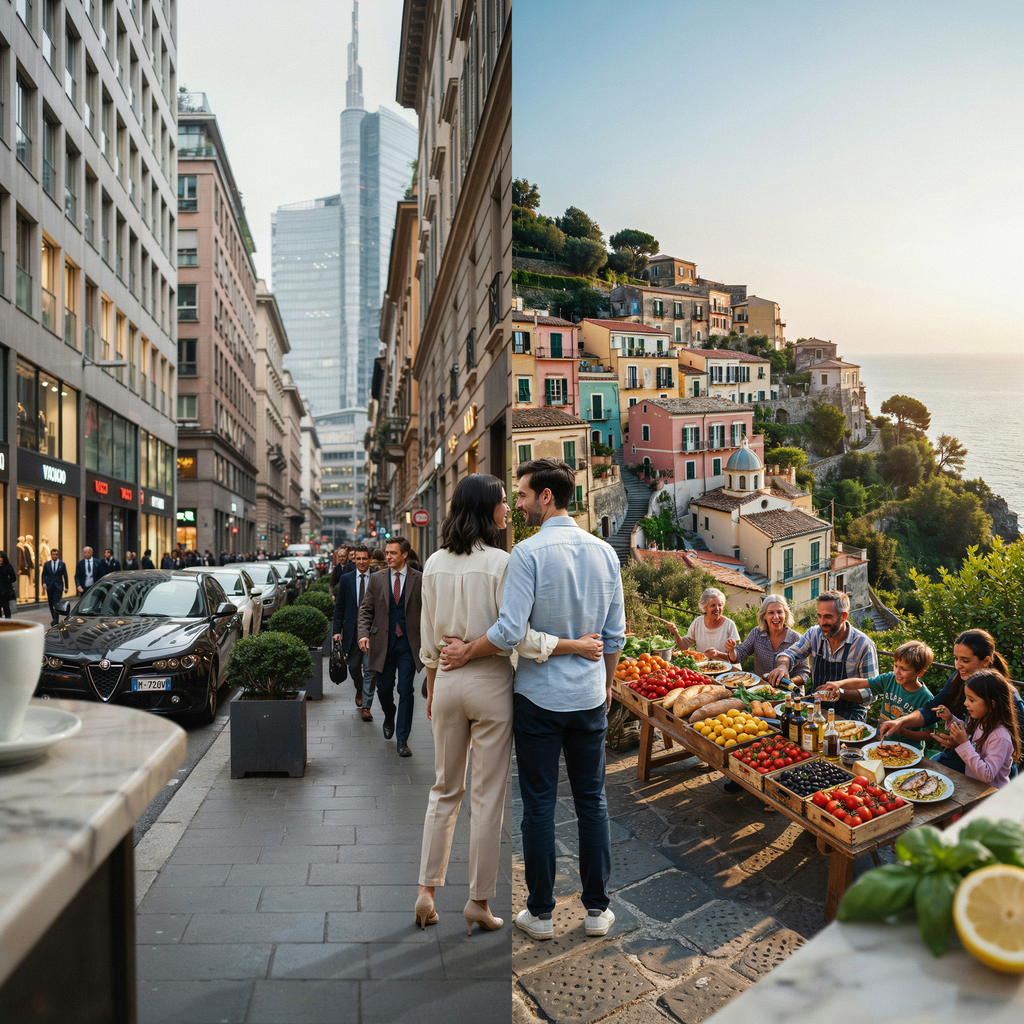
Le Nord est riche, le Sud est dangereux | The North is rich, the South is dangerous
🇫🇷 La réalité : Le fossé Nord-Sud — le Mezzogiorno — est réel et vieux de plusieurs siècles. Mais « dangereux » ? C’est Hollywood qui parle, pas la réalité. Le Sud italien est l’une des régions les plus hospitalières d’Europe. La Sicile, la Calabre, la Campanie offrent une qualité de vie, une gastronomie et un patrimoine historique extraordinaires — à des prix souvent bien inférieurs au Nord. Le fossé économique existe, mais il se réduit. Et les expats qui s’installent dans le Sud découvrent généralement une chaleur humaine et une authenticité qu’ils ne trouvent plus dans les grandes villes du Nord. Ce que ça change pour vous : Ne croisez pas le Sud de votre liste parce que vous avez vu trop de films de gangsters. Explorez. Posez des questions. Les prix de l’immobilier y sont souvent remarquables — et les voisins encore plus.
🇬🇧 The reality: The North-South divide — the Mezzogiorno — is real and centuries old. But « dangerous »? That’s Hollywood talking, not reality. Southern Italy is one of the most welcoming regions in Europe. Sicily, Calabria and Campania offer quality of life, gastronomy and historical heritage that is extraordinary — often at prices well below the North. The economic gap exists, but it is narrowing. And expats who settle in the South generally discover a human warmth and authenticity they no longer find in the major northern cities. What this means for you: Don’t cross the South off your list because you’ve seen too many gangster films. Explore. Ask questions. Property prices there are often remarkable — and the neighbours even more so.
MYTHE #5 | MYTH # 5
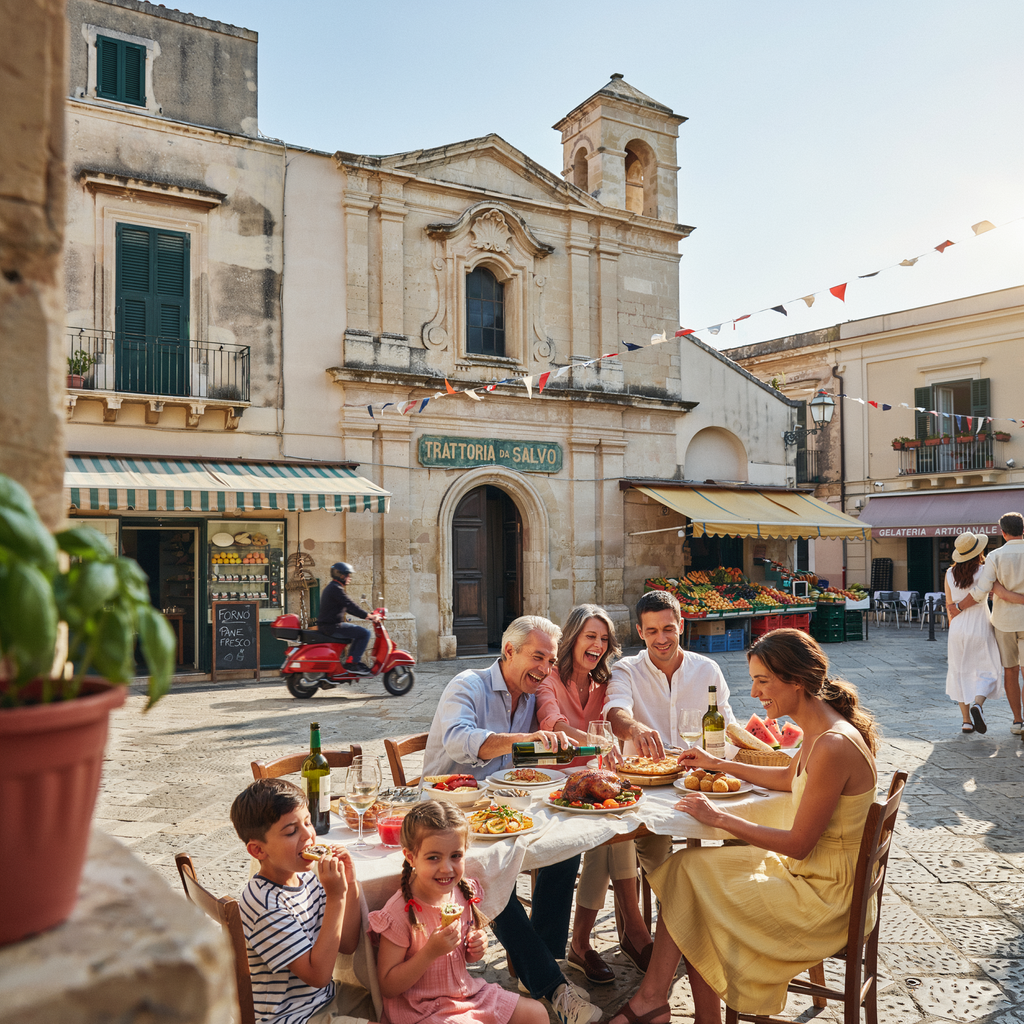
La mafia contrôle l’Italie | The Mafia controls Italy
🇫🇷 La réalité : La mafia existe — Cosa Nostra en Sicile, la Camorra à Naples, la ‘Ndrangheta en Calabre. Ce n’est pas un mythe. Mais l’idée qu’elle contrôle l’Italie entière est une invention hollywoodienne. L’État italien mène depuis les années 1980 une guerre judiciaire intense contre les organisations criminelles — des centaines de condamnations, des milliers d’arrestations. Dans la vie quotidienne d’un expat à Milan, Florence, Rome ou même Palerme, la mafia est aussi abstraite que le crime organisé dans n’importe quelle grande métropole européenne. Ce qui est réel, c’est son impact historique sur l’économie et les institutions — un sujet que les Italiens eux-mêmes débattent passionnément. Ce que ça change pour vous : Rien, dans votre quotidien d’expat. Mais si vous voulez comprendre l’Italie profonde — lisez Falcone, regardez Gomorra, écoutez les Italiens. C’est une histoire complexe, douloureuse et fascinante. Pas un argument pour ne pas venir vivre ici.
🇬🇧 The reality: The Mafia exists — Cosa Nostra in Sicily, the Camorra in Naples, the ‘Ndrangheta in Calabria. That’s not a myth. But the idea that it controls all of Italy is a Hollywood invention. The Italian state has been waging an intense legal war against criminal organisations since the 1980s — hundreds of convictions, thousands of arrests. In the daily life of an expat in Milan, Florence, Rome or even Palermo, the Mafia is as abstract as organised crime in any major European city. What is real is its historical impact on the economy and institutions — a subject Italians themselves debate passionately. What this means for you: Nothing, in your daily expat life. But if you want to understand Italy at its deepest — read Falcone, watch Gomorra, listen to Italians. It’s a complex, painful and fascinating story. Not a reason to avoid living here.